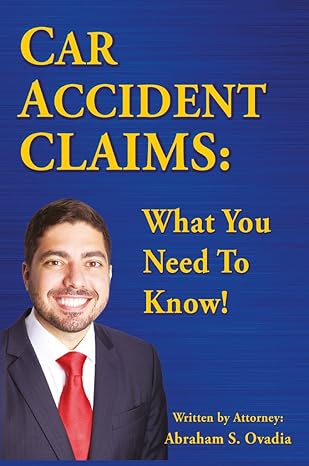
Recovering from Your Car Accident
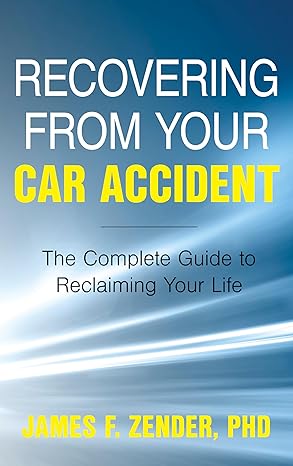
What You Need To Know!
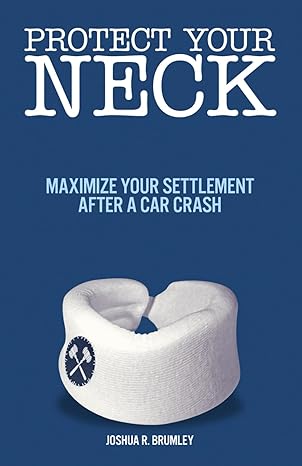
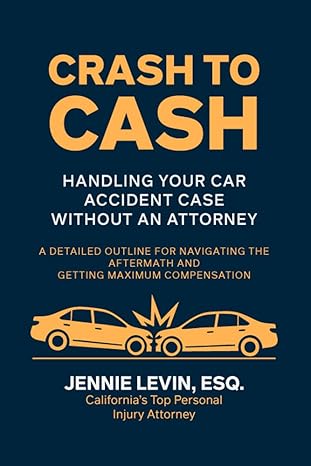
Crash to Cash
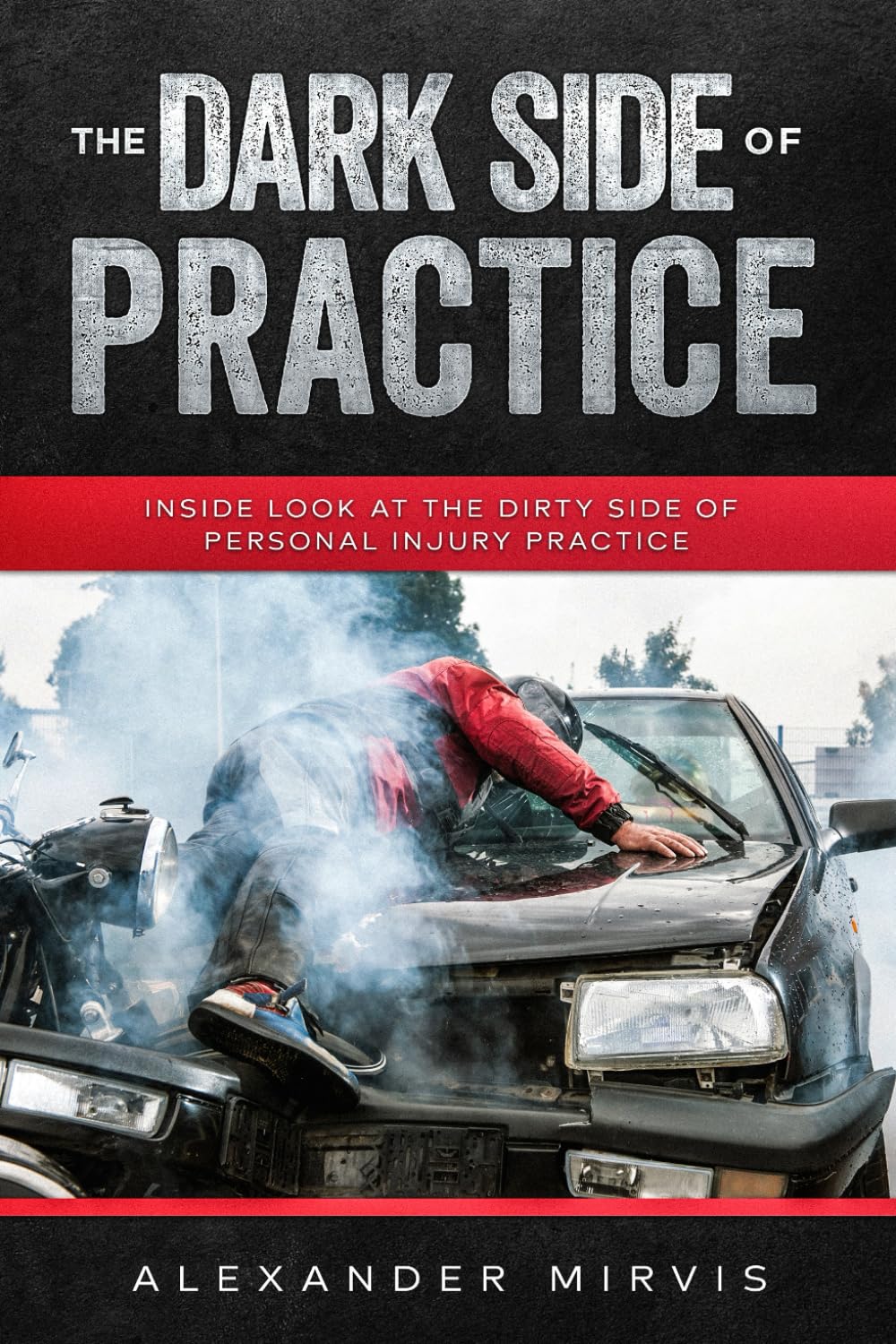
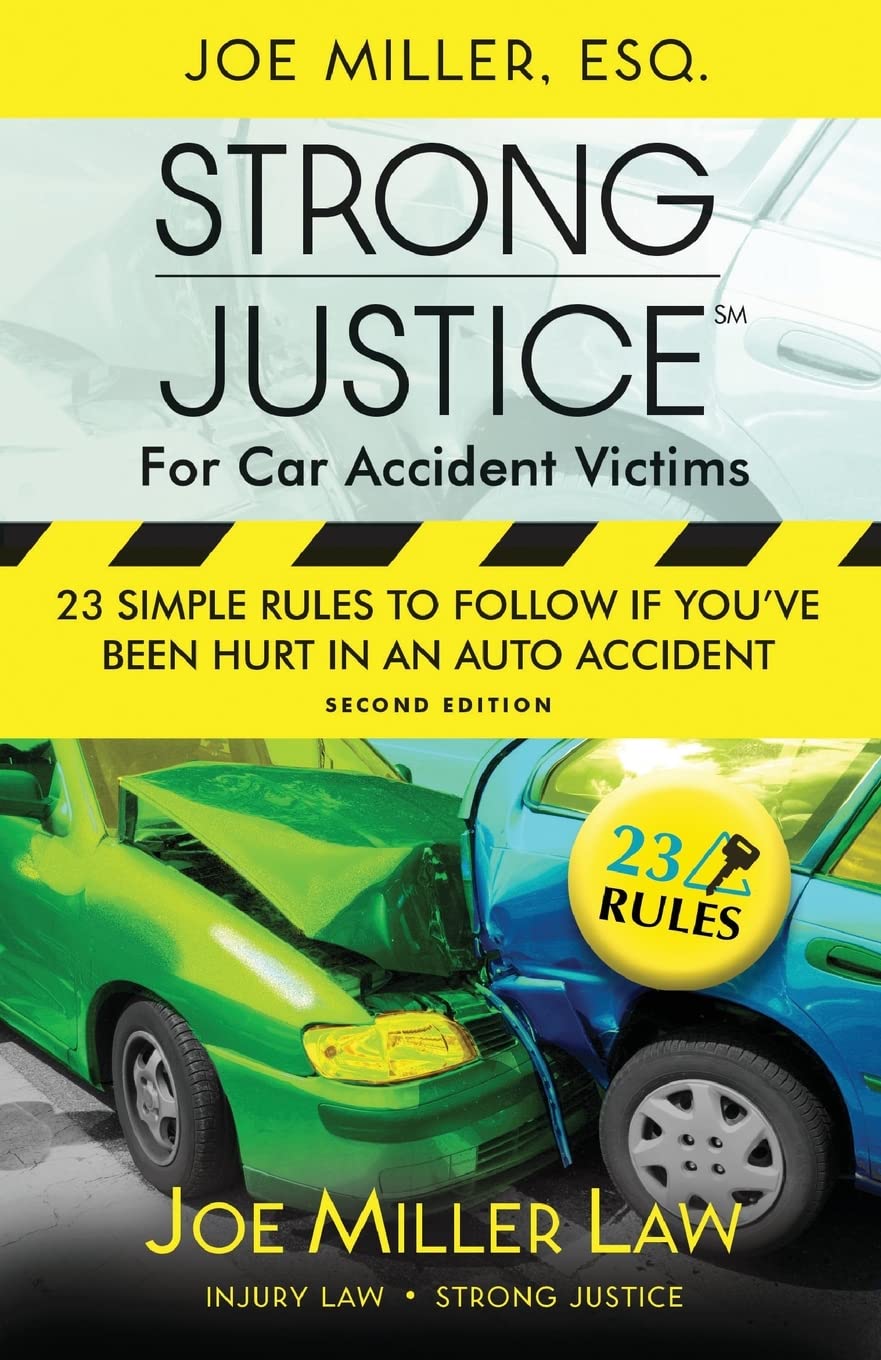
Attorney or Lawyer Necessary?
As an Amazon Associate I earn from qualifying purchases.
A car accident can be disorienting and frightening, especially if you or someone you care about has been injured. In the moments following the crash, emotions run high, but quick and careful action is essential to protect your health, safety, and legal rights. Understanding what steps to take immediately can make a significant difference in recovery and in any future claims.
When someone you care about is injured in a car accident, it can be difficult to know exactly how to help. Physical pain, emotional stress, and financial worries often weigh heavily on injured drivers, making support from friends and family a critical part of recovery. Offering the right kind of help can ease their burden and promote both physical healing and emotional well-being.
After a car accident that results in injury, dealing with insurance companies can be one of the most stressful parts of the recovery process. While their role is to provide coverage and financial support, insurance providers also work to minimize their payouts. Understanding how to communicate with them effectively can protect your rights and help you receive the compensation you deserve.
Being injured in a car accident can leave you feeling overwhelmed—not only physically and emotionally but also legally. Understanding your rights is crucial for protecting yourself and ensuring you receive the care, compensation, and support you deserve. Whether the accident was minor or severe, knowing the legal landscape can help you make informed decisions during recovery.
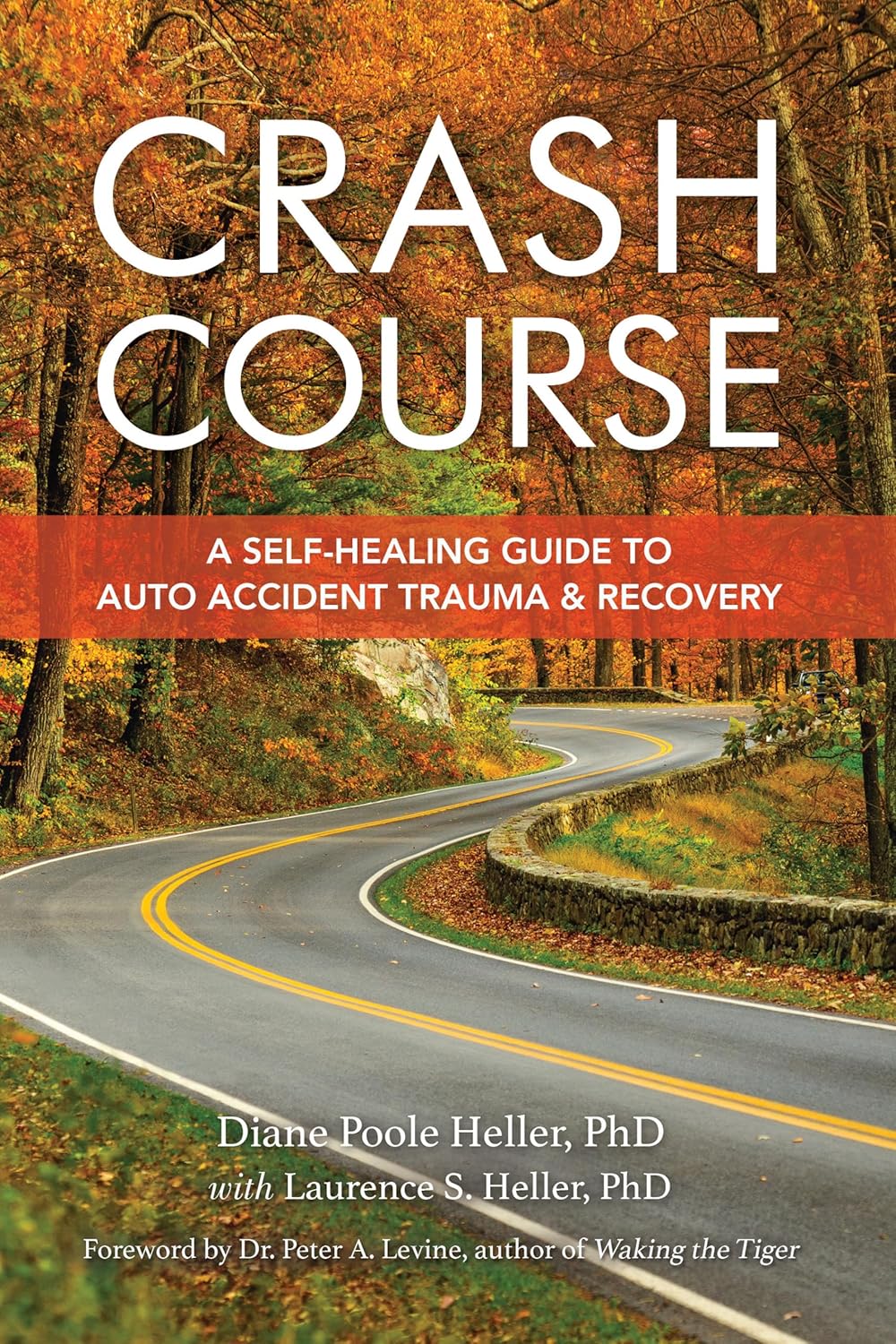
Physical healing after a car accident is only part of the recovery process. Many survivors experience emotional and psychological effects that can be just as challenging as the physical injuries. Anxiety, fear, and even post-traumatic stress are common, but with the right strategies, you can regain emotional stability and move forward with confidence.
When a driver is recovering from a car accident injury, simple daily tasks can become overwhelming. Whether they’re dealing with mobility issues, pain, or doctor’s orders to limit activity, friends and family can play a vital role in helping them manage everyday responsibilities. Practical support not only makes life easier for the injured driver but also speeds recovery by reducing stress and physical strain.
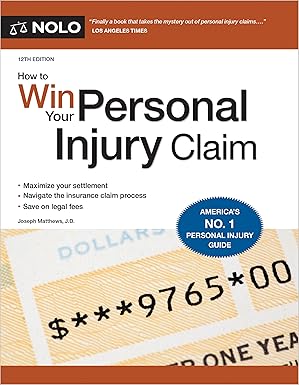

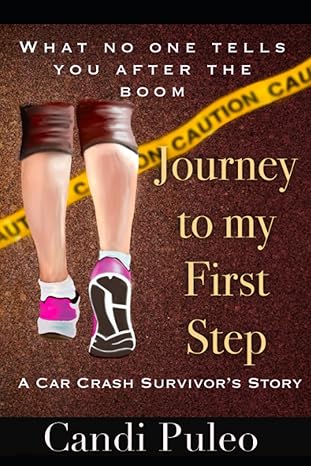
A car accident injury can disrupt not only your health but also your financial stability. Medical bills, vehicle repairs, lost income, and unexpected expenses can add up quickly, creating stress during an already difficult time. Taking a proactive approach to financial planning can help you stay in control and reduce long-term strain on your budget.
Recovering from a car accident injury often involves more than just rest and medication. Rehabilitation and physical therapy play a crucial role in restoring mobility, strength, and function while also preventing long-term complications. Understanding what to expect can help you approach the process with confidence and commitment.

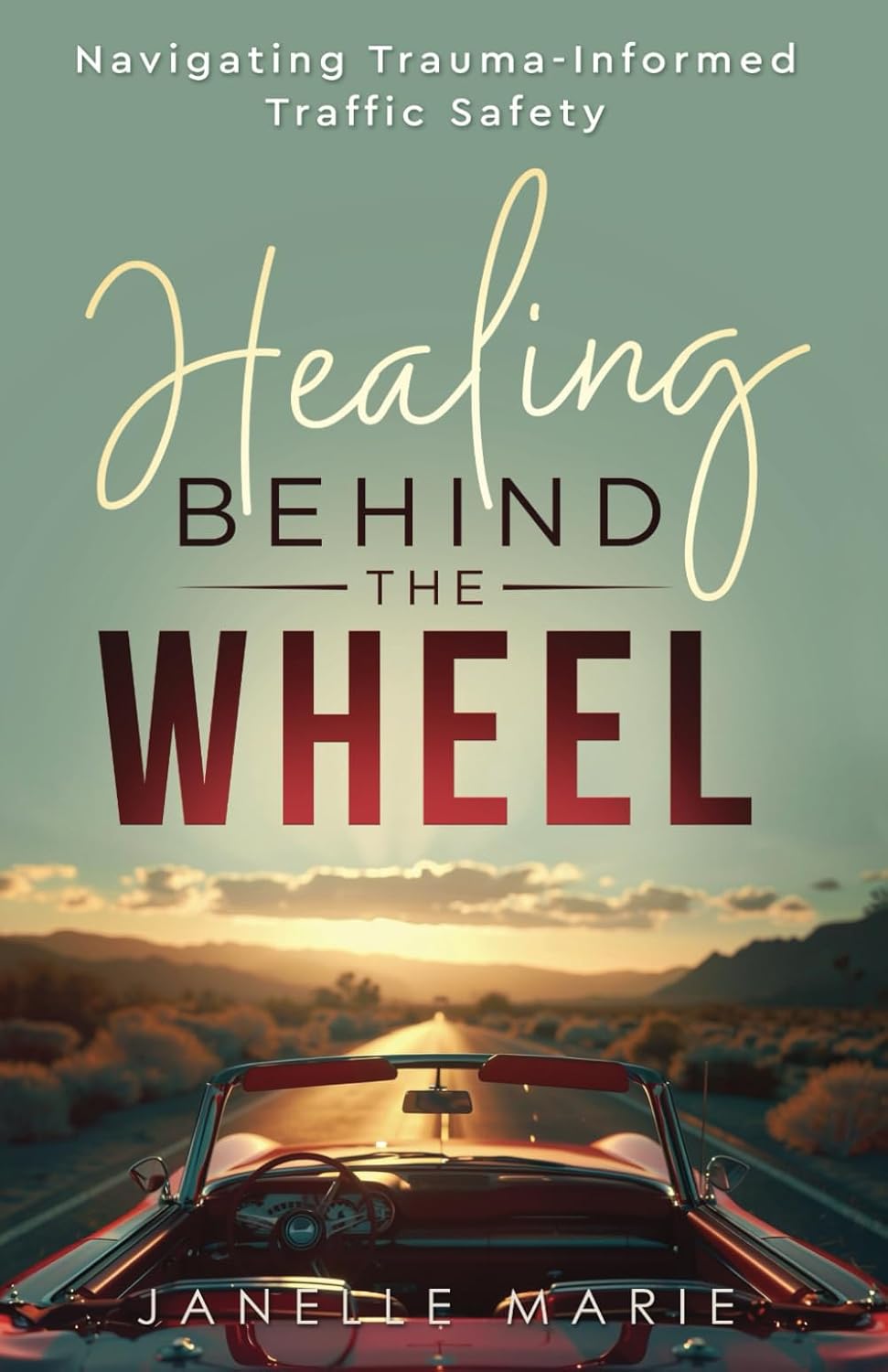


Recovering from a car accident can be challenging, and the decisions you make in the days and weeks afterward can have a big impact on your health, finances, and legal rights. Unfortunately, many injured drivers unknowingly make mistakes that delay recovery or hurt their ability to receive fair compensation. Knowing what to avoid can help you protect yourself during this crucial period.
Recovering from a serious car accident injury can take weeks, months, or even years. While the process can feel slow and frustrating, maintaining a positive mindset can make a significant difference in your overall well-being and healing. Staying focused on progress rather than setbacks will help you navigate challenges with resilience and hope.


The information provided on this website, including all articles, guides, and resources, is for informational purposes only. It is not legal advice and does not create an attorney–client relationship. Laws vary by state and jurisdiction, and the outcomes of legal matters depend on the specific facts involved.
You should not rely solely on the information here when making decisions about your situation. Always conduct your own research, verify information from reliable sources, and seek advice from a qualified attorney or other licensed professional who can address your specific circumstances.
We make every effort to ensure that the content on this site is accurate and up to date, but we make no guarantees regarding its completeness, accuracy, or applicability to your situation. Use of this website and reliance on any information provided is at your own risk.
This website is not affiliated with, endorsed by, or a substitute for the advice of any legal, medical, or other professional service provider.