Advice and Tips for Injured Drivers
and their Friends and Relatives

What to Do Immediately After a Car Accident Injury

A car accident can be disorienting and frightening, especially if you or someone you care about has been injured. In the moments following the crash, emotions run high, but quick and careful action is essential to protect your health, safety, and legal rights. Understanding what steps to take immediately can make a significant difference in recovery and in any future claims.

  1. Ensure Safety and Call for Help
    The first priority after any accident is safety. If possible, move yourself or the vehicle out of harm’s way to prevent further collisions. Call emergency services right away, even if injuries seem minor. Some injuries, like concussions or internal bleeding, may not show immediate symptoms but require urgent medical attention.

  2. Get Medical Attention Immediately
    Whether you feel pain or not, it’s critical to see a medical professional after a crash. Emergency responders can evaluate you on-site, and you may need to go to the hospital for further tests. Having a medical record from the day of the accident is also important for any insurance or legal claims.

  3. Document the Scene and Gather Information
    If you are able, take photographs of the vehicles, road conditions, visible injuries, and any contributing factors like weather or traffic signs. Exchange information with other drivers, including names, contact details, insurance information, and license plate numbers. If there are witnesses, ask for their contact information as well.

  4. Notify Your Insurance Company Promptly
    Report the accident to your insurance provider as soon as possible. Be honest and factual about what happened, but avoid admitting fault before all facts are reviewed. The sooner you inform them, the smoother the claims process can be.

  5. Avoid Discussing Fault at the Scene
    While it’s natural to want to apologize or discuss what happened, such statements can be misunderstood and used against you later. Instead, focus on safety, gathering facts, and cooperating with authorities without making speculative comments about who caused the accident.

  6. Contact a Lawyer if Necessary
    If the accident involves serious injuries, significant property damage, or disputed liability, consulting a personal injury attorney can help protect your rights. A lawyer can guide you through legal procedures, handle communication with insurance companies, and work toward fair compensation for medical costs, lost wages, and other damages.

  7. Take Care of Yourself in the Following Days
    The hours and days after an accident are just as important as the immediate moments. Follow all medical instructions, rest as needed, and keep detailed records of your symptoms, treatments, and expenses. Physical and emotional recovery may take time, so be patient with yourself and reach out for support from friends, family, or professional counselors if needed.

How Friends and Family Can Support an Injured Driver

When someone you care about is injured in a car accident, it can be difficult to know exactly how to help. Physical pain, emotional stress, and financial worries often weigh heavily on injured drivers, making support from friends and family a critical part of recovery. Offering the right kind of help can ease their burden and promote both physical healing and emotional well-being.

  1. Provide Practical Assistance with Daily Tasks
    Injured drivers often face mobility challenges, fatigue, or medical restrictions that make everyday activities difficult. Offering help with groceries, meal preparation, laundry, or transportation to medical appointments can make a world of difference. Even small acts, like running errands or walking their pet, help them focus on healing.

  2. Be a Good Listener
    Sometimes the most valuable thing you can offer is your time and attention. Allow them to share their feelings without rushing to give advice or change the subject. Car accidents can be traumatic, and talking about the experience—on their own terms—can help reduce stress and feelings of isolation.

  3. Encourage Medical Compliance
    Recovering from an injury often involves follow-up appointments, physical therapy, and medication schedules. You can help by offering gentle reminders, providing transportation, or even attending appointments to take notes. This type of support shows you’re invested in their recovery process.

  4. Respect Their Emotional Space
    While being present is important, it’s equally important to give them space when they need it. Pain, frustration, and fatigue can make social interaction exhausting at times. Let them set the pace for visits and conversations so they feel supported rather than pressured.

  5. Help Manage Paperwork and Logistics
    Injured drivers may need to deal with insurance claims, repair shops, or legal matters while also focusing on recovery. Offering to help organize documents, make phone calls, or research resources can reduce stress and keep important tasks from slipping through the cracks.

  6. Watch for Signs of Emotional Distress
    It’s common for injured drivers to experience anxiety, depression, or post-traumatic stress after a crash. If you notice changes in mood, sleep patterns, or appetite, encourage them to seek professional support. Offering to help them find a counselor or support group can make this step less intimidating.

  7. Stay Consistent with Your Support
    Recovery can be a long process, and support often fades after the first few weeks. Checking in regularly, even with a quick call or text, reassures them they’re not alone. Consistency builds trust and can provide a much-needed boost during challenging moments in their healing journey.

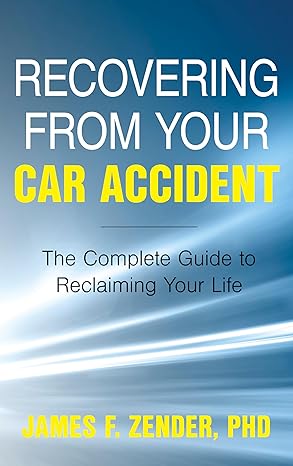
Recovering from Your Car Accident Cover of the book Recovering from Your Car Accident: The Complete Guide to Reclaiming Your Life
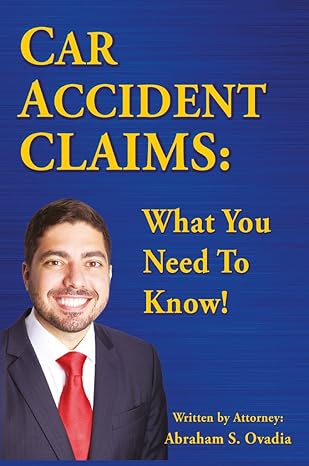
What You Need To Know! Cover of the book Car Accident Claims: What You Need To Know!
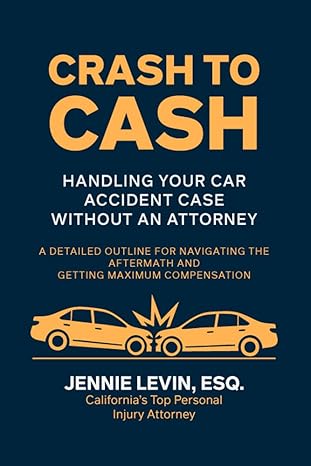
Crash to Cash Cover of the book Crash to Cash: Handling Your Car Accident Case Without an Attorney: A Detailed Outline for Navigating the Aftermath and Getting Maximum Compensation
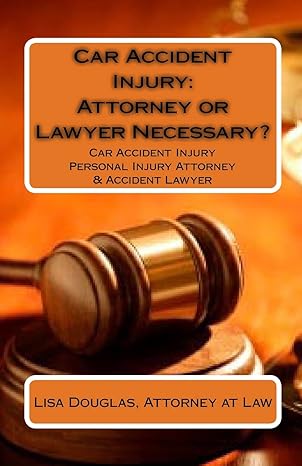
Attorney or Lawyer Necessary? Cover of the book Car Accident Injury: Attorney or Lawyer Necessary?: Car Accident Injury Personal Injury Attorney & Accident Lawyer
As an Amazon Associate I earn from qualifying purchases.

Dealing with Insurance Companies After an Injury

After a car accident that results in injury, dealing with insurance companies can be one of the most stressful parts of the recovery process. While their role is to provide coverage and financial support, insurance providers also work to minimize their payouts. Understanding how to communicate with them effectively can protect your rights and help you receive the compensation you deserve.

  1. Report the Accident Promptly
    As soon as possible after the accident, notify your insurance company. Provide the essential facts: the date, time, location, and parties involved. Avoid guessing about details you’re unsure of—stick to what you know for certain. Prompt reporting ensures your claim process begins without unnecessary delays.

  2. Be Careful with What You Say
    Insurance adjusters may seem friendly, but they are trained to look for statements that could reduce your claim’s value. Avoid admitting fault or making assumptions about the accident. If you’re unsure how to answer a question, it’s okay to say you don’t know or that you’ll follow up after confirming the facts.

  3. Keep Detailed Records
    Document everything related to the accident and your injury. This includes medical reports, repair estimates, police reports, and receipts for out-of-pocket expenses. Keep a written record of all conversations with insurance representatives, noting dates, names, and summaries of the discussions. These records can be crucial if disputes arise.

  4. Understand Your Policy
    Take the time to read and understand your insurance policy, including coverage limits, deductibles, and exclusions. Knowing what is and isn’t covered will help you set realistic expectations and avoid surprises. If any part of your policy is unclear, ask your insurance representative for clarification in writing.

  5. Avoid Settling Too Quickly
    Some insurance companies offer quick settlements to close cases fast. While tempting, these initial offers may not fully cover medical expenses, lost income, and long-term rehabilitation costs. Consult with a personal injury attorney before accepting a settlement, especially if your injuries require ongoing treatment.

  6. Consider Getting Professional Help
    If your claim is complex, your injuries are severe, or the insurance company disputes liability, working with a personal injury lawyer can be a wise move. Lawyers can negotiate on your behalf, gather evidence, and ensure your claim is handled fairly. Many operate on a contingency basis, meaning they only get paid if you win your case.

  7. Stay Patient but Persistent
    Insurance claims can take time, especially when injuries are involved. Stay proactive by following up regularly, but understand that thorough investigations and negotiations require patience. Persistence, organization, and professional guidance can help you secure the best possible outcome.

Understanding Your Legal Rights as an Injured Driver

Being injured in a car accident can leave you feeling overwhelmed—not only physically and emotionally but also legally. Understanding your rights is crucial for protecting yourself and ensuring you receive the care, compensation, and support you deserve. Whether the accident was minor or severe, knowing the legal landscape can help you make informed decisions during recovery.
  1. The Right to Medical Treatment
    As an injured driver, you have the right to seek medical care immediately after the accident, regardless of who was at fault. In most cases, delaying treatment can harm both your health and your claim. Keep records of all diagnoses, treatments, and medical expenses, as these will be essential for any insurance or legal proceedings.

  2. The Right to File an Insurance Claim
    You are entitled to file a claim with your own insurance company, and in some cases, the at-fault driver’s insurer. Depending on your policy and state laws, you may be eligible for compensation for medical bills, lost income, vehicle repairs, and other accident-related expenses.

  3. The Right to Legal Representation
    You have the right to consult with and hire a personal injury attorney at any stage of the claims process. An experienced lawyer can explain your options, negotiate with insurers, and represent you in court if necessary. This can be particularly important when liability is disputed or when the insurance offer seems too low.

  4. The Right to Refuse Quick Settlement Offers
    While insurance companies may offer fast settlements, you are not obligated to accept them. These offers often do not account for ongoing medical costs, rehabilitation, or long-term impact on your ability to work. You have the right to fully evaluate your needs before agreeing to a settlement.

  5. The Right to Compensation for Non-Economic Damages
    In addition to medical bills and lost wages, you may be entitled to compensation for pain and suffering, emotional distress, and reduced quality of life. The value of these non-economic damages varies by state and case specifics, but they can significantly increase your total compensation.

  6. The Right to a Fair Investigation
    Whether by law enforcement, insurance adjusters, or your legal team, you have the right to a thorough and unbiased investigation of the accident. This includes gathering witness statements, reviewing video footage, and examining physical evidence to determine liability.

  7. The Right to Protect Your Own Interests
    Above all, you have the right to prioritize your health and future. That means asking questions, keeping thorough documentation, and seeking professional advice before making decisions. By knowing and exercising your rights, you can navigate the aftermath of an accident with confidence and security.

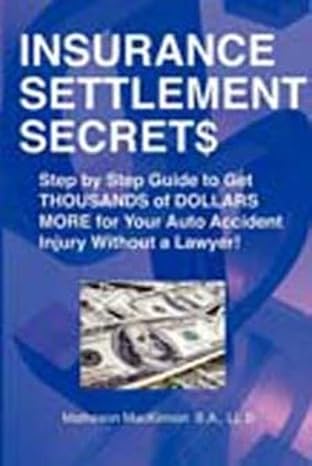
Insurance Settlement Secrets Cover of the book Insurance Settlement Secrets: A Step by Step Guide to Get Thousands of Dollars More for Your Auto Accident Injury Without a Lawyer!
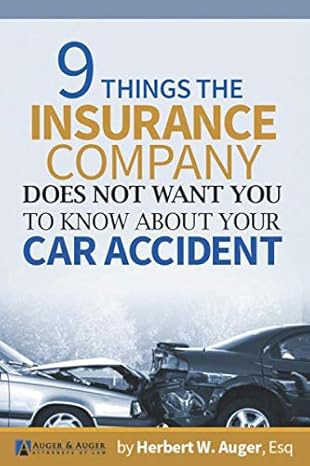
9 Things Cover of the book 9 Things The Insurance Company Does Not Want You To Know About Your Car Accident
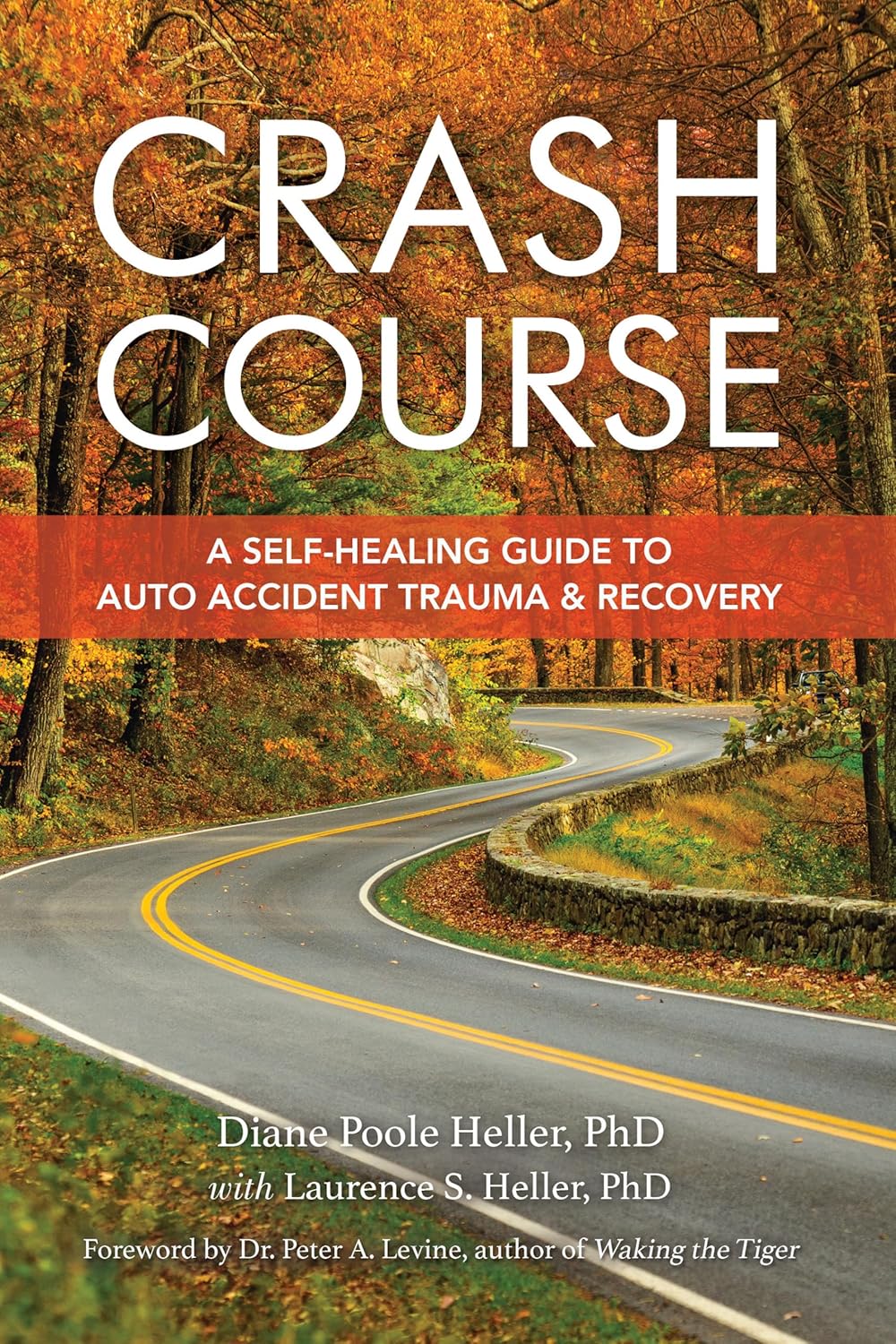
Self-Healing Guide Cover of the book Crash Course: A Self-Healing Guide to Auto Accident Trauma and Recovery
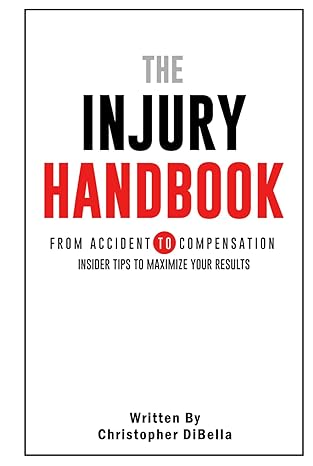
The Injury Handbook Cover of the book The Injury Handbook: From Accident to Compensation
As an Amazon Associate I earn from qualifying purchases.

Emotional Recovery Tips for Car Accident Survivors

Physical healing after a car accident is only part of the recovery process. Many survivors experience emotional and psychological effects that can be just as challenging as the physical injuries. Anxiety, fear, and even post-traumatic stress are common, but with the right strategies, you can regain emotional stability and move forward with confidence.

  1. Acknowledge Your Feelings
    After a traumatic event, it’s normal to feel shaken, anxious, or even angry. Some people try to suppress these emotions, but acknowledging them is the first step toward healing. Give yourself permission to feel whatever comes up, and understand that emotional recovery takes time.

  2. Seek Support from Others
    Surround yourself with people you trust—friends, family, or support groups. Sharing your experience can help you process what happened and feel less isolated. Hearing from others who have gone through similar situations can also provide reassurance and hope.

  3. Consider Professional Counseling
    If you find that fear, anxiety, or sadness is interfering with your daily life, a licensed therapist or counselor can help. Cognitive-behavioral therapy (CBT), for example, is effective for reducing accident-related anxiety and helping you regain confidence in activities like driving.

  4. Practice Relaxation Techniques
    Simple relaxation exercises can help reduce stress and improve your overall well-being. Deep breathing, progressive muscle relaxation, and mindfulness meditation are all techniques that can calm your mind and body, making it easier to manage difficult emotions.

  5. Take Gradual Steps Back to Normal Activities
    If driving or riding in a car triggers anxiety, start with short, low-stress trips. Gradually increase your exposure to driving situations, always at a pace that feels manageable. Celebrate small victories along the way, as each step helps rebuild your confidence.

  6. Maintain Healthy Lifestyle Habits
    Your mental health is closely tied to your physical well-being. Regular exercise, balanced nutrition, and adequate sleep all contribute to a more stable mood and improved resilience. Even gentle activities like walking or stretching can have a positive effect.

  7. Be Patient and Kind to Yourself
    Emotional healing is rarely a straight path—it’s normal to have good days and setbacks. Avoid self-criticism, and focus on progress rather than perfection. Recognize that recovery is a journey, and each step you take is bringing you closer to feeling like yourself again.

Helping an Injured Driver with Daily Activities

When a driver is recovering from a car accident injury, simple daily tasks can become overwhelming. Whether they’re dealing with mobility issues, pain, or doctor’s orders to limit activity, friends and family can play a vital role in helping them manage everyday responsibilities. Practical support not only makes life easier for the injured driver but also speeds recovery by reducing stress and physical strain.
  1. Understand Their Limitations
    The first step is to know exactly what the injured person can and cannot do. This might involve speaking with them directly or, if appropriate, consulting their doctor’s recommendations. Understanding their limitations ensures that your help is both safe and effective.

  2. Assist with Transportation
    Many injured drivers are unable to operate a vehicle for days or even weeks after an accident. Offering rides to medical appointments, physical therapy sessions, or even simple errands like grocery shopping can make a huge difference. In some cases, setting up a ride schedule with other friends or family members can help cover all their needs.

  3. Support Household Chores
    Tasks like cleaning, cooking, and laundry can become physically taxing after an injury. You can help by preparing meals, tidying up, or doing laundry on a regular basis. Freezer-friendly meals and grocery deliveries are especially useful, as they save both time and effort for the injured driver.

  4. Help with Medical Care Routines
    Depending on the nature of the injury, there may be follow-up treatments, medication schedules, or home-based rehabilitation exercises. You can assist by reminding them about medication times, organizing pill boxes, or helping them set up a comfortable space for recovery at home.

  5. Run Errands and Handle Paperwork
    Simple errands like picking up prescriptions or dropping off documents can become major challenges for someone recovering from an accident. Offering to run errands or help organize paperwork—such as insurance forms or medical bills—can take a lot of stress off their plate.

  6. Provide Emotional Encouragement
    Recovery isn’t just physical—it’s also emotional. A few encouraging words, a shared laugh, or a listening ear can go a long way. Let them know you’re proud of their progress and that you believe in their ability to heal, even when setbacks occur.

  7. Stay Consistent with Your Support
    Many people offer help in the first week or two after an accident, but ongoing support is often what the injured driver needs most. Check in regularly, ask if their needs have changed, and continue to be a reliable presence until they’re fully back on their feet.

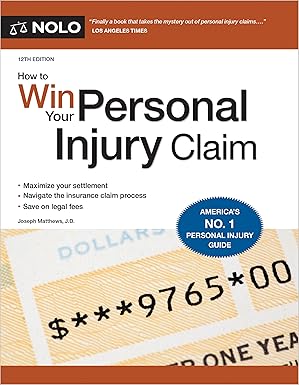
Win Your Personal Injury Claim Cover of the book How to Win Your Personal Injury Claim
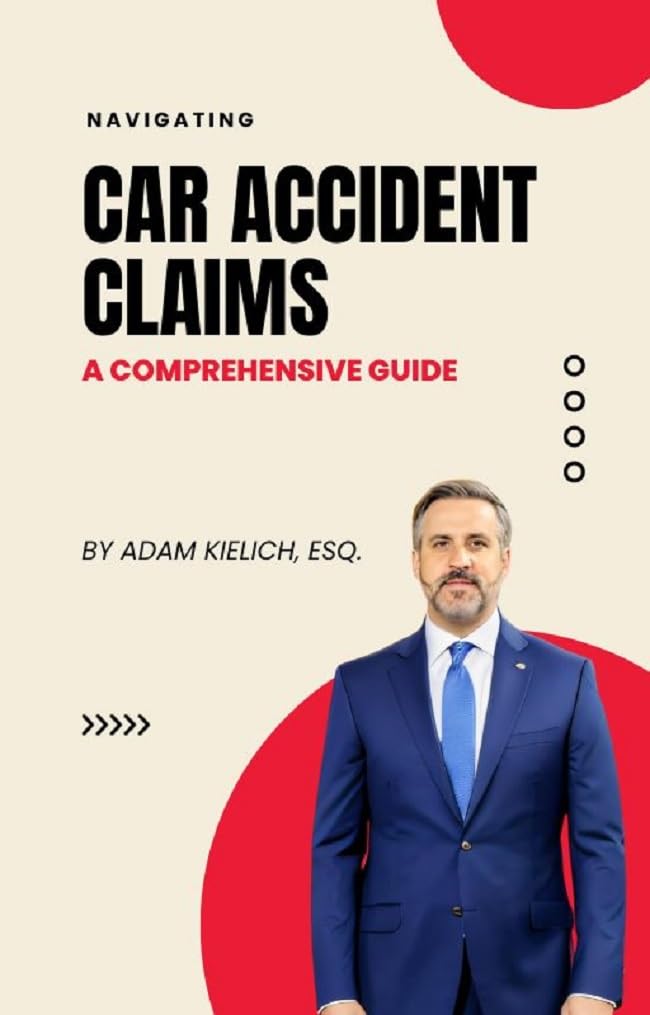
Navigating Car Accident Claims Cover of the book Navigating Car Accident Claims: A Comprehensive Guide
Wheels of Mizfortunate Cover of the book Wheels of Mizfortunate
Journey to My First Step Cover of the book Journey to My First Step: A car crash survivor's story
As an Amazon Associate I earn from qualifying purchases.

Financial Planning After a Car Accident Injury

A car accident injury can disrupt not only your health but also your financial stability. Medical bills, vehicle repairs, lost income, and unexpected expenses can add up quickly, creating stress during an already difficult time. Taking a proactive approach to financial planning can help you stay in control and reduce long-term strain on your budget.

  1. Assess Your Current Financial Situation
    Start by taking a clear look at your income, savings, and expenses. Identify which costs are essential and which can be reduced or postponed. Having an accurate picture of your finances will help you make informed decisions about managing both immediate and future expenses.

  2. Document All Accident-Related Costs
    Keep detailed records of every expense related to your injury, from hospital bills and prescription costs to travel expenses for medical appointments. This documentation is vital for insurance claims and potential legal cases, ensuring you receive full reimbursement where possible.

  3. Communicate with Your Insurance Provider
    Review your policy to understand what’s covered, then contact your insurance company to discuss benefits and potential payouts. Ask about medical coverage, lost wages, and any other assistance they may offer. Keeping an open line of communication can prevent misunderstandings and delays.

  4. Explore Financial Assistance Options
    If your expenses exceed your resources, look into programs that can help. This may include state disability benefits, workers’ compensation (if the accident happened on the job), nonprofit assistance programs, or even hospital-based financial aid. Some organizations can also help negotiate medical bills to reduce costs.

  5. Adjust Your Budget Temporarily
    While you’re recovering, you may need to cut nonessential spending and focus on priorities like rent, utilities, and medical care. Look for ways to lower monthly bills, such as pausing subscriptions or refinancing high-interest debt. Even small changes can add up and relieve financial pressure.

  6. Consult a Financial or Legal Professional
    If the accident’s financial impact is significant, a financial planner or personal injury attorney can help you create a strategy for recovery. Legal professionals can also ensure you receive fair compensation for damages, while financial experts can guide you in managing any settlement money wisely.

  7. Plan for Long-Term Stability
    If your injury has lasting effects on your ability to work, it’s important to think beyond immediate expenses. Consider options like vocational rehabilitation, retraining for a new career, or applying for long-term disability benefits. The sooner you start planning for the future, the more secure your recovery will be.

Rehabilitation and Physical Therapy: What to Expect

Recovering from a car accident injury often involves more than just rest and medication. Rehabilitation and physical therapy play a crucial role in restoring mobility, strength, and function while also preventing long-term complications. Understanding what to expect can help you approach the process with confidence and commitment.

  1. Starting the Rehabilitation Process
    Rehabilitation usually begins soon after the initial injury treatment, once your doctor determines it’s safe. Early intervention can be key to regaining full function, as it helps prevent stiffness, muscle weakness, and chronic pain. Your healthcare provider will recommend a plan tailored to your specific injury.

  2. Understanding the Role of Physical Therapy
    Physical therapy focuses on improving movement, reducing pain, and rebuilding strength. A licensed physical therapist will assess your condition and create an exercise plan designed to address your limitations. This may involve stretching, strengthening exercises, posture correction, and mobility training.

  3. Common Rehabilitation Activities
    Depending on your injuries, rehabilitation can include a variety of activities—such as range-of-motion exercises, balance training, massage therapy, or even aquatic therapy. Some patients also use specialized equipment like resistance bands, stability balls, or stationary bikes as part of their recovery plan.

  4. Managing Pain During Therapy
    It’s common to feel some discomfort during rehabilitation, but severe pain should be reported to your therapist or doctor immediately. Pain management strategies may include applying ice or heat, taking prescribed medications, or modifying certain exercises to make them safer and more comfortable.

  5. Staying Consistent with Your Program
    One of the most important factors in successful rehabilitation is consistency. Attending all scheduled therapy sessions and following your home exercise program can significantly improve recovery outcomes. Skipping sessions can slow progress and increase the risk of long-term mobility issues.

  6. Setting Realistic Recovery Goals
    Recovery takes time, and progress may be gradual. Work with your therapist to set achievable short-term and long-term goals, and celebrate each milestone along the way. Tracking your improvements can help you stay motivated and committed to the process.

  7. Preparing for Life After Rehabilitation
    Once formal therapy ends, continuing to exercise and care for your body is essential. Your therapist may provide a maintenance plan to help you stay strong and prevent re-injury. Staying active, practicing good posture, and avoiding risky activities will help protect your recovery in the long term.

Overcoming the Trauma Cover of the book Overcoming the Trauma of Your Motor Vehicle Accident: A Cognitive-Behavioral Treatment Program
Healing Behind the Wheel Cover of the book Healing Behind the Wheel: Navigating Trauma-Informed Traffic Safety
Car Accident... SING... Cover of the book In Case You Get Into A Terrible Car Accident Sing: Shine In spite of Negativity and Grief 7 Skills for True Resilience
Car Accident Law Book Cover of the book 19,937 Crashes on Average per Day in the U.S.
As an Amazon Associate I earn from qualifying purchases.

Common Mistakes to Avoid After a Car Accident Injury

Recovering from a car accident can be challenging, and the decisions you make in the days and weeks afterward can have a big impact on your health, finances, and legal rights. Unfortunately, many injured drivers unknowingly make mistakes that delay recovery or hurt their ability to receive fair compensation. Knowing what to avoid can help you protect yourself during this crucial period.

  1. Delaying Medical Care
    Some people put off seeing a doctor because their injuries don’t seem serious at first. However, many conditions—such as whiplash or internal bleeding—don’t show immediate symptoms. Delaying treatment can worsen injuries and make it harder to connect them to the accident in insurance or legal claims.

  2. Not Following the Treatment Plan
    Skipping physical therapy sessions, forgetting medications, or ignoring medical advice can slow recovery and jeopardize your health. Insurance companies may also use noncompliance as a reason to reduce or deny claims. Following your doctor’s instructions closely is essential.

  3. Speaking Too Freely with Insurance Adjusters
    Insurance representatives may appear helpful, but they are trained to minimize payouts. Avoid giving recorded statements or speculating about fault before speaking with a lawyer. Stick to the facts and keep communication professional and concise.

  4. Settling Too Quickly
    It’s tempting to accept a quick settlement, especially if medical bills are piling up. However, early offers often fail to account for ongoing treatment, lost wages, and long-term pain. Always review settlement offers carefully—preferably with legal guidance—before signing anything.

  5. Overexerting Yourself During Recovery
    Trying to resume normal activities too soon can lead to setbacks or reinjury. Listen to your body and follow your doctor’s timeline for returning to work, exercise, or driving. Rest and gradual progress are key to a full recovery.

  6. Failing to Document Everything
    Accurate records of medical visits, expenses, accident details, and symptoms are crucial for insurance and legal purposes. Without documentation, it’s much harder to prove the extent of your injuries and losses. Keep everything organized and backed up, either digitally or in a physical folder.

  7. Not Seeking Legal Advice When Needed
    If your injuries are serious, liability is unclear, or the insurance company is disputing your claim, a personal injury lawyer can protect your rights. Failing to seek legal advice in these situations can lead to missed opportunities for fair compensation.

Staying Positive During Long-Term Recovery

Recovering from a serious car accident injury can take weeks, months, or even years. While the process can feel slow and frustrating, maintaining a positive mindset can make a significant difference in your overall well-being and healing. Staying focused on progress rather than setbacks will help you navigate challenges with resilience and hope.
  1. Set Realistic Goals
    Long-term recovery often involves small, gradual improvements. Instead of focusing solely on the end goal of being fully healed, set smaller milestones you can celebrate along the way. Whether it’s walking a bit farther, reducing pain levels, or mastering a physical therapy exercise, each step forward is a victory.

  2. Track Your Progress
    Keeping a recovery journal or photo log can help you see how far you’ve come, even when progress feels slow. Documenting your journey not only boosts motivation but also provides helpful information to share with doctors and therapists.

  3. Maintain a Support Network
    Surrounding yourself with positive, encouraging people can lift your spirits during difficult days. Friends, family, and support groups—both in-person and online—can provide understanding, empathy, and practical advice from those who’ve been through similar experiences.

  4. Focus on What You Can Control
    It’s easy to get frustrated by the limitations an injury imposes, but shifting your focus to what you can do today can improve your outlook. Whether it’s practicing gentle stretches, working on hobbies, or learning a new skill, staying active within your abilities keeps your mind engaged.

  5. Practice Mindfulness and Stress Management
    Techniques like meditation, deep breathing, and visualization can help manage stress and promote a calmer mindset. Mindfulness encourages you to live in the present moment rather than dwelling on the past or worrying about the future.

  6. Celebrate Small Wins
    Every achievement, no matter how small, deserves recognition. Rewarding yourself for progress helps reinforce positive habits and keeps you motivated to continue. Even something as simple as treating yourself to a favorite meal can mark an important milestone.

  7. Be Patient and Kind to Yourself
    Recovery is rarely a straight path—there will be ups and downs. Avoid comparing your progress to others and remember that healing happens at your own pace. Practicing self-compassion will help you handle setbacks without losing sight of your overall progress.

Ten Mistakes Cover of the book Ten Mistakes That Wreck Your Car Crash Case (And How to Avoid Them)
Navigating Vehicle Accidents Cover of the book Navigating Vehicle Accidents
Not a Good Neighbor Cover of the book Not a Good Neighbor: A Lawyer’s Guide to Beating Big Insurance by Settling Your Own Auto Accident Case
Secrets of Car Accident Claims Cover of the book Unlocking the Secrets of Car Accident Claims: Your Guide to Maximum Compensation

Disclaimer

The information provided on this website, including all articles, guides, and resources, is for informational purposes only. It is not legal advice and does not create an attorney–client relationship. Laws vary by state and jurisdiction, and the outcomes of legal matters depend on the specific facts involved.

You should not rely solely on the information here when making decisions about your situation. Always conduct your own research, verify information from reliable sources, and seek advice from a qualified attorney or other licensed professional who can address your specific circumstances.

We make every effort to ensure that the content on this site is accurate and up to date, but we make no guarantees regarding its completeness, accuracy, or applicability to your situation. Use of this website and reliance on any information provided is at your own risk.

This website is not affiliated with, endorsed by, or a substitute for the advice of any legal, medical, or other professional service provider.
Maximize Your Settlement Cover of the book Protect Your Neck: Maximize Your Settlement after a Car Crash
The Dark Side of Practice Cover of the book The Dark Side of Practice: Inside look at the dirty side of Personal Injury Practice
Accidents Happen Cover of the book Accidents Happen: What to Know What to Know Before Being Involved in a Motor Vehicle Accident
Strong Justice for Car Accident Victims Cover of the book Strong Justice for Car Accident Victims: 23 Simple Rules to Follow If You've Been Hurt in an Auto Accident
As an Amazon Associate I earn from qualifying purchases.
The Aftermath of Road Accidents Cover of the book The Aftermath of Road Accidents: Psychological, Social and Legal Consequences of an Everyday Trauma
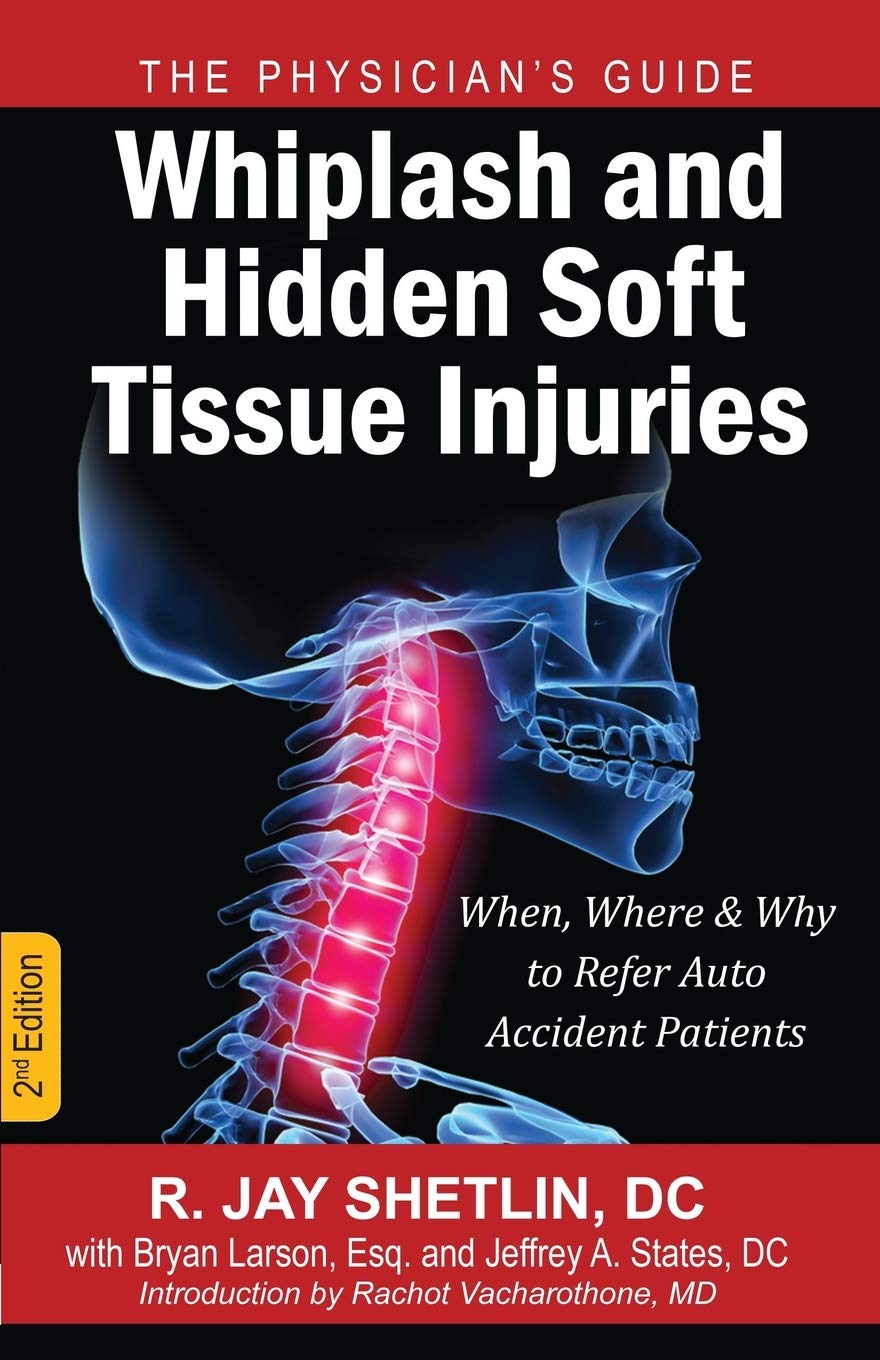
Whiplash and Hidden Soft Tissue Injuries Cover of the book Whiplash and Hidden Soft Tissue Injuries: When, Where and Why to Refer Auto Accident Patients
The Role of a Chiropractor Cover of the book The Role of a Chiropractor in Treating Auto Accident Injuries
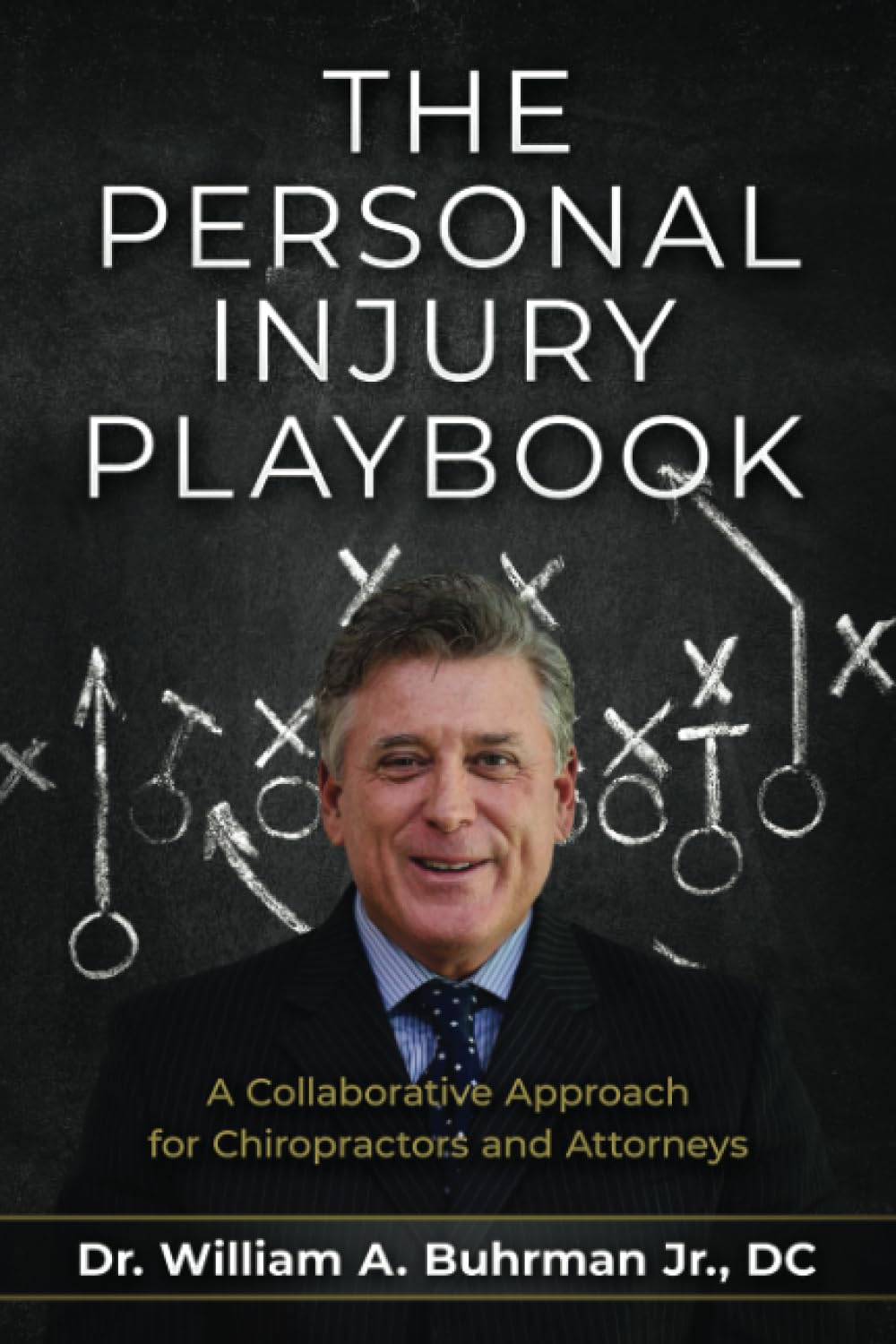
The Personal Injury Playbook Cover of the book The Personal Injury Playbook: A Collaborative Approach for Chiropractors and Attorneys
As an Amazon Associate I earn from qualifying purchases.
The domain names InjuredDriver.com and InjuredDrivers.com are for sale here...
Promo banner for Domain Names For Sale
The articles and background image of this page were created with AI tools.
Copyright © 2019-2025. All rights reserved.
contact@injureddriver.com